Holland Park Road removals guide for narrow streets
Posted on 02/05/2026
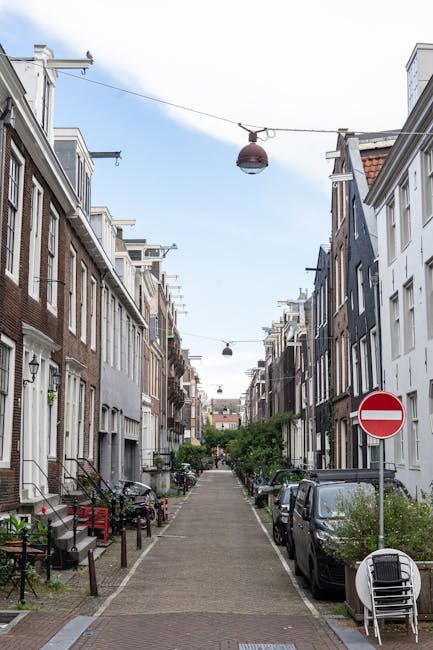
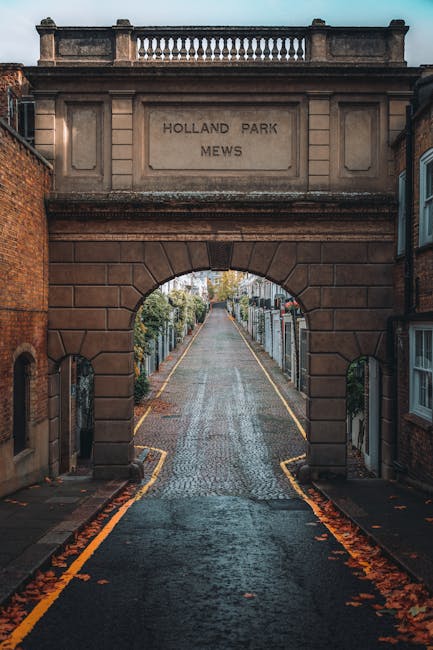
If you are planning a move on or near Holland Park Road, you probably already know the tricky part is not always the packing. It is the street itself. Narrow carriageways, parked cars, tight turns, awkward loading space, and the general London reality of "just popping the van outside" can all make a simple move feel more complicated than it should. This Holland Park Road removals guide for narrow streets is designed to help you move with fewer surprises, better timing, and a lot less stress.
Whether you are leaving a flat, moving into a townhouse, or handling a family home with bulky furniture, the basics are the same: plan early, measure carefully, and work with a removals team that understands local access issues. That part matters more than people think. On a street like this, a good move is rarely about speed alone. It is about sequence, access, and staying calm when the road is less forgiving than your sofa is wide.
Below, you will find practical steps, common pitfalls, sensible comparisons, and the kind of local guidance that makes moving day feel more manageable. If you need broader support too, the team's removal services in Holland Park page is a useful starting point, especially if your move involves more than just lifting boxes.
Why Holland Park Road removals guide for narrow streets Matters
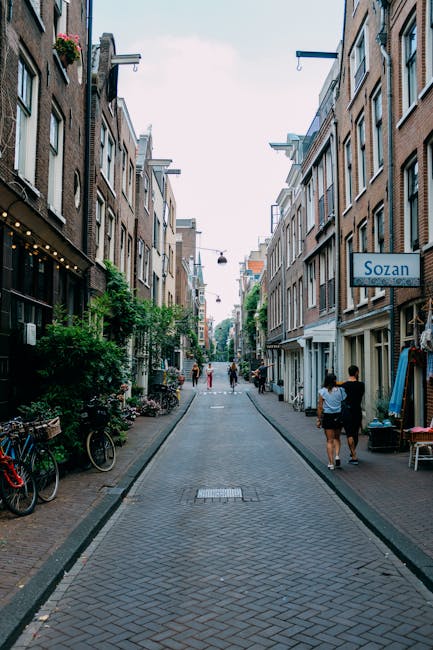
Narrow streets change everything. That sounds dramatic, but in removals work it is simply true. A wide, open road gives you choices. A narrow residential street gives you constraints. You may have limited room for the van to stop, fewer places to leave a loading ramp, and less space to safely carry large items around corners or past other parked vehicles.
On roads like Holland Park Road, the challenge is rarely one single thing. It is the combination: traffic flow, residents' parking, pedestrians, delivery vans, and buildings that may have staircases, basement access, or entrance steps that make lifting awkward. Even if you have moved before, the local conditions can turn familiar tasks into something a bit more exacting.
This matters because small planning mistakes become bigger on narrow streets. A missed loading window can add waiting time. An over-sized van can make the approach clumsy. A sofa measured "roughly" can suddenly feel very real when it meets a tight hallway. To be fair, that is where many moves go sideways-not from one huge error, but from five small ones.
It also matters for neighbours and building relationships. In a place like Holland Park, courtesy counts. You do not want blocking issues, repeated shuffling, or noisy chaos at 8am if it can be helped. Good planning protects the move, the property, and everyone else on the street.
If you are still in the research stage and want a broader sense of local living conditions, the article on living in Holland Park adds useful context about day-to-day life in the area.
How Holland Park Road removals guide for narrow streets Works
The basic idea is simple: reduce the amount of guesswork before moving day. On narrow streets, that means planning the route, choosing the right vehicle, breaking down bulky items, and creating a loading plan that fits the reality of the street rather than the ideal version in your head.
In practice, a well-run move on a tight road usually follows a few clear stages:
- Assess the property access and street width in advance
- Decide whether a van, a larger removals vehicle, or a shuttle system is more practical
- Plan parking and loading so the crew can work without constant repositioning
- Protect items and building surfaces before lifting begins
- Move larger pieces in a sensible order, not just the heaviest first
What makes this different from a standard move is the level of detail. On a wider street, a team may have enough room to adapt on the fly. On a narrower one, every decision influences the next. Put simply, access planning becomes part of the move itself, not just a side note.
If you have fragile or awkward items, the approach needs even more care. A piano, for example, is not something you want to improvise with in a tight hall. For specialised support, take a look at piano removals in Holland Park, which is the sort of service that becomes very relevant when space is limited and the item is unforgiving.
Key Benefits and Practical Advantages
The benefits of a narrow-street-specific removals plan are not just about convenience. They affect cost, timing, safety, and the quality of the whole experience.
1. Less time lost to access problems
When the street is tight, every unnecessary extra manoeuvre costs time. A good plan reduces waiting, repositioning, and repeated lifting. That sounds minor until you are halfway through the day and the crew is still trying to get the first wardrobe out.
2. Lower risk of damage
Bulky furniture and narrow passageways are not natural friends. Careful planning helps protect walls, bannisters, door frames, and the furniture itself. A few extra minutes wrapping, disassembling, or padding can save a lot of frustration later.
3. Better cost control
Moves that run smoothly tend to be more predictable. When the access plan is clear, estimates are easier to keep realistic. That does not mean every move is cheap, obviously, but it does mean fewer avoidable delays.
4. A calmer day overall
There is a real emotional benefit to knowing the move has been thought through. You can focus on the practical side of leaving one place and settling into another, instead of worrying whether the van will fit or whether the sofa is going to make it round a corner. Honestly, that peace of mind is worth quite a bit.
5. Better use of the right service
Narrow streets often call for a more tailored option, such as a smaller van, a man and van setup, or a full removals crew with a structured loading plan. If you are comparing service types, the services overview is a helpful place to understand what each option is designed to do.
Who This Is For and When It Makes Sense
This guide is useful if any of the following sound familiar:
- You live on or near a narrow residential street in Holland Park
- Your building has limited access, steps, or a tight entrance
- You are moving larger furniture through older properties
- You need to keep disruption low for neighbours or building management
- You want a removals team that understands London access constraints
It is especially relevant for flat moves, family home moves, and situations where the vehicle cannot simply park right outside the door. A lot of people assume this is only a problem for big houses with lots of furniture. Not really. A compact flat move can still become awkward if the staircase is narrow or the street is full of parked cars.
Students and tenants moving into or out of smaller properties may find that the right vehicle matters just as much as the right packing method. If that is your situation, the student removals in Holland Park page is useful for smaller, more flexible moves. For flats specifically, the flat removals service is a better fit.
And if your move is urgent, maybe because keys have changed or completion times have shifted, you may need a faster option. In that case, same-day removals in Holland Park may be the right conversation to have, provided access details are clear from the start.
Step-by-Step Guidance
Here is a practical way to approach a move on a narrow street without overcomplicating things. Keep it simple, but not careless.
- Survey the access early. Look at the street width, parking availability, turning space, steps, and the distance from vehicle to front door. If possible, check it at the same time of day your move is likely to happen.
- Measure the awkward items. Wardrobes, sofas, beds, mirrors, and appliances are the usual troublemakers. Measure height, width, and depth, and do not forget handrails or protruding handles.
- Choose the right vehicle. Bigger is not always better. A more compact van can be easier to position and may reduce access problems. If you are unsure, a removal van in Holland Park may suit the street better than a larger lorry.
- Decide what should be dismantled. Beds, tables, and modular furniture are often easier to move in parts. This is one of those areas where a little preparation pays back immediately.
- Pack for fast loading. Put essential items in clearly labelled boxes and keep fragile pieces protected. The team can work faster when they are not hunting through half-sealed containers.
- Plan the loading order. Load bulky pieces first if the van layout requires it, but balance that with what needs to come out first at the destination. The order should match the whole journey, not just the first five minutes.
- Protect the route. Use blankets, wraps, floor protection, and corner guards where appropriate. This is especially helpful in older properties with painted banisters or tight internal corners.
- Confirm arrival timing and access details. Let the removals team know about buzzers, restricted entry, concierge arrangements, and any building rules. A five-minute call can save half an hour of faffing about.
If your move includes a lot of boxes and you want to avoid last-minute packing chaos, the packing and boxes guide is worth reading alongside this article. It helps you prepare things in a way that works for real moving day pressure, not just in theory.
Expert Tips for Better Results
Some advice sounds obvious until you are standing in the street with a sofa that will not turn. These are the small habits that make a proper difference.
Book the right time of day
Early mornings can be quieter, but not always easier. School runs, delivery windows, and local traffic patterns can all change the picture. Mid-morning may work better in some cases, especially if you need a little breathing room after key collection. Truth be told, there is no universal magic hour.
Use the building layout to your advantage
Older Holland Park properties often have quirks-front steps, split levels, narrow landings, or basement access. Identify the easiest route before lifting starts. Sometimes a side entrance or rear route, if available, is far safer than forcing the obvious path.
Keep one box of "first hour" items separate
This sounds basic, but it is easy to miss. Tea bags, chargers, medication, basic tools, toiletries, and key documents should be easy to reach. You do not want to be rummaging through seven boxes because someone needs the kettle. That part matters more than the fancy labelled storage boxes, honestly.
Ask about furniture protection in advance
If the move includes antique or high-value items, ask how the team handles wrapping and carrying. For larger or more delicate pieces, furniture removals in Holland Park can provide a more suitable approach than a standard general move.
Think in terms of flows, not just items
Professional movers do not just move objects; they manage movement through space. That means planning what happens first, second, and third. It sounds a little technical, but it is really just common sense applied properly.
Common Mistakes to Avoid
Most moving problems on narrow streets come from a few avoidable errors. Here are the big ones.
- Ignoring access until moving day. If the van cannot stop safely, everything slows down.
- Choosing the wrong vehicle size. Too large and you create manoeuvring problems; too small and you may need multiple trips.
- Underestimating staircases and corners. Measurements on paper are not the same as a real bend in a hallway.
- Leaving packing too late. Late packing almost always causes more breakages and more stress.
- Not informing building management. Some buildings have access expectations, lift booking rules, or loading preferences.
- Forgetting parking realities. A narrow road with resident bays can be a very different challenge from a simple curbside stop.
One mistake people make a lot is assuming "it is only a short move." Short does not necessarily mean simple. A two-minute drive can still be a tricky loading job if the street is tight and the staircase is awkward. Moves have a funny way of humbling overconfidence.
Tools, Resources and Recommendations
You do not need a truckload of specialist gear to move well, but a few basic tools make a noticeable difference.
- Measuring tape: Essential for doorways, furniture, and stair landings
- Furniture blankets and wrap: Useful for protecting wood, glass, and painted surfaces
- Trolley or sack truck: Helps with heavier boxes and appliances when access allows
- Labels and markers: Speeds up unloading and reduces confusion at the new property
- Floor protection: Handy in hallways, lobbies, and shared entrances
- Basic tool kit: Often needed for dismantling beds or removing doors and fittings
There are also a few resources worth checking if you want a smoother overall experience. A broader look at home removals in Holland Park can help if you are dealing with a full household move, while man and van services are often a practical choice for lighter or more flexible access situations.
If you are weighing costs or trying to compare service levels, the pricing and quotes page is useful for understanding how estimates are approached. No one enjoys pricing surprises, let's face it.
Law, Compliance, Standards, or Best Practice
For a move on a narrow street, the main compliance concerns are usually practical rather than dramatic. You are mostly dealing with parking, access, loading safety, and general duty of care. Local restrictions can vary, so if parking or permits are involved, check the relevant borough guidance rather than guessing. That is the safest route.
Professional removals companies should also follow sensible health and safety practices: safe lifting, proper vehicle loading, protection of property, and clear communication with the customer. If you want to understand how a provider handles those responsibilities, the health and safety policy and insurance and safety information are good trust signals to review before booking.
For customers, good practice includes being honest about access limitations, fragile items, and any restrictions from the building. It is better to say "the staircase is a bit tight" than to discover, at the worst possible moment, that a wardrobe has no chance of making the turn.
Where sustainability is a concern, it can also help to ask what happens to packing waste and recyclable materials after the move. The recycling and sustainability page is relevant if you want a move that is a little more mindful, not just efficient.
Options, Methods, or Comparison Table
Different narrow-street moves need different solutions. The best choice depends on distance, item size, timing, and how tight the access really is.
| Method | Best for | Advantages | Watch-outs |
|---|---|---|---|
| Man and van | Smaller homes, light to medium moves, flexible access | Easier to park on narrow streets, often quicker to organise | May need multiple trips for larger loads |
| Full removals crew | Family homes, larger volumes, more fragile items | More labour, better for heavy furniture and complex handling | Requires careful access planning and route management |
| Smaller removal van | Restricted streets, tight turns, limited curb space | Better manoeuvrability and easier loading in awkward roads | Less internal capacity than larger vehicles |
| Specialist item move | Pianos, antiques, oversized or delicate pieces | Dedicated handling and better protection | Needs pre-checks and accurate measurements |
For many Holland Park Road moves, a smaller, more agile setup works better than a large vehicle. But if you have a houseful of furniture, the better answer may be a fuller removals service with a carefully staged loading plan. There is no single winner here. The right method is the one that fits the street and the property together.
Case Study or Real-World Example
Here is a realistic example based on the kind of move that often happens in this part of London.
A couple moving out of a first-floor flat near Holland Park Road had a mix of standard boxes, a sofa, two beds, and a heavy dining table. The street was narrow enough that a full-size vehicle would have made loading awkward, especially with parked cars on both sides. Rather than push ahead with a one-size-fits-all plan, they measured the larger furniture in advance, dismantled the beds, and chose a smaller van with a tighter loading profile.
They also booked the move for a quieter part of the morning, informed the building manager about the access time, and kept a separate bag of essentials for the first day. The result was not flashy. It was simply smoother. Fewer delays, fewer "hold on a second" moments, and less shuffling furniture back and forth on the pavement. Small win, but a real one.
That is usually what good removals planning looks like. Nothing dramatic. Just a series of decent decisions made early enough to matter.
Practical Checklist
Use this checklist before moving day. It is simple, but it catches most of the usual issues.
- Measure doors, halls, stairs, and all large furniture
- Check street access and parking restrictions
- Confirm the best vehicle size for the road
- Tell the removals team about any narrow staircases or awkward turns
- Dismantle beds and bulky furniture where possible
- Pack essential items separately
- Label fragile boxes clearly
- Protect floors, walls, and furniture surfaces
- Notify building management if required
- Keep keys, documents, chargers, and medication accessible
- Review insurance and safety details before the move
- Prepare for weather, especially if the move is on a damp or windy day
If your move involves a flat with limited access, pairing this checklist with the flat removals page can help you think through the practical details a little more clearly.
Expert summary: On narrow Holland Park streets, the best removals plan is not the biggest one, it is the one that matches access, vehicle size, item shape, and timing with as little guesswork as possible.
Conclusion
Moving on or near Holland Park Road does not have to be stressful, even if the street is narrow and the access looks less than ideal. The key is to treat the road as part of the move, not an afterthought. Measure properly, choose the right vehicle, give the team accurate information, and prepare for the practical realities of London access. That is usually enough to turn a difficult-looking move into a manageable one.
If you are comparing services, looking for a more flexible moving setup, or simply want to understand what is available before you book, the wider removals in Holland Park page is a sensible next stop. And if you are still early in the planning stage, the about us page can also help you get a feel for the team behind the service.
Get a free quote today and see how much you can save.
With a bit of planning and the right support, even the narrowest street becomes a workable route. And that, honestly, makes all the difference.