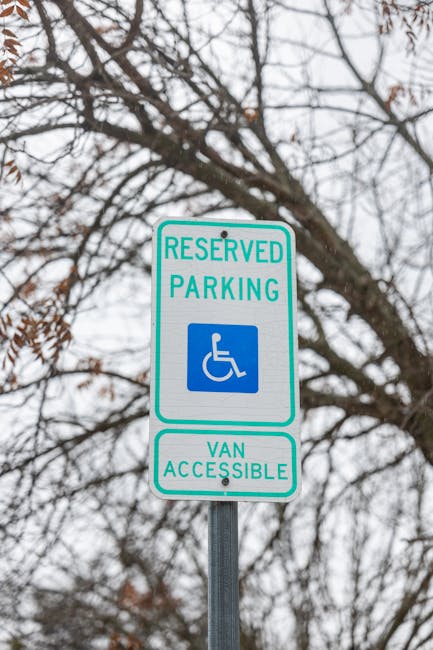
Permits and parking rules for Holland Park moving vans
If you are moving in or out of Holland Park, parking the van is rarely the easy bit. The street may look calm from a distance, but once a moving van arrives, the real questions begin: where can it stop, do you need a permit, how long can it stay, and what happens if a bay is suspended or already full? Getting the parking side wrong can turn a simple move into a very long day. This guide breaks down permits and parking rules for Holland Park moving vans in plain English, so you can plan properly, avoid last-minute stress, and keep the move moving.
We will look at how permits usually work, what to check before moving day, common mistakes people make, and the practical steps that tend to save the most time. If you are also comparing different ways to handle the move, pages like moving van services, man and van support, and home moves can help you think through the logistics alongside the parking.
Table of Contents
- Why permits and parking rules matter
- How the permit and parking process works
- Key benefits and practical advantages
- Who this is for and when it makes sense
- Step-by-step guidance
- Expert tips for better results
- Common mistakes to avoid
- Tools, resources and recommendations
- Law, compliance and best practice
- Options and comparison table
- Case study or real-world example
- Practical checklist
- Conclusion
- Frequently Asked Questions
Why Permits and parking rules for Holland Park moving vans Matters
Parking is not a small detail on moving day; it is one of the main things that decides whether the job runs smoothly or feels chaotic. In a neighbourhood like Holland Park, space is limited, roads can be busy, and a van may not be able to sit outside your building for as long as you would like. If your van ends up parked legally but far away, every box and piece of furniture becomes a longer carry. If it is parked badly, the move can become expensive very quickly.
That is why permits and parking rules matter so much. They affect access, timing, labour, and in some cases the safety of your belongings. A long carry up the road sounds manageable in theory. In reality, after the third wardrobe, the fourth run through the hallway, and the fifth look at the clock, it is less charming. To be fair, most moving delays come from parking headaches rather than the packing itself.
There is also the reputational side for businesses and landlords. A blocked drive, an awkwardly placed van, or a misunderstanding about loading can upset neighbours, trigger complaints, or create avoidable friction with building management. For office moves, the pressure is even higher. If you are planning a commercial relocation, it is worth reviewing commercial moves and office removals alongside parking planning, because the two go hand in hand.
How Permits and parking rules for Holland Park moving vans Works
At a practical level, the process usually comes down to three questions: where can the van stop, for how long, and under what conditions? In many London residential streets, a moving van may need access to a controlled parking bay, loading bay, suspended bay, or a temporary permission of some kind. The exact arrangement depends on the location, the time of day, and the size of the vehicle.
For home moves, the most common issue is not a lack of parking everywhere, but a lack of the right parking in the right place. A bay may exist, but it may be for residents only. A space may be open, but not long enough for unloading. A loading area may be nearby, but only usable during certain hours. And sometimes the street looks fine until the day arrives and a refuse collection, skip, or another vehicle changes everything. Holland Park can be like that. It looks orderly until you need to stop a van there.
In most cases, you will want to check:
- whether the road has controlled parking or loading restrictions
- whether a suspension is needed to reserve space for the van
- whether the van can wait while you complete handover or key collection
- whether a large vehicle will be awkward on a narrow street or tight turning point
- whether building rules are stricter than street rules
For anyone using a removal company or booking a man with van service, parking details should be discussed before the booking is confirmed, not the night before. A good mover will usually ask about access, lifts, stairs, bay width, and waiting restrictions because those details change the whole plan.
Key Benefits and Practical Advantages
Getting permits and parking right is not just about avoiding trouble. It makes the whole move more efficient. The benefit is often felt in small ways first: fewer trips, shorter loading times, less physical strain, less hovering in the street while someone runs upstairs for keys. Then the bigger benefits become clear too.
- Less risk of penalties or complaints: parking legally and clearly reduces the chance of fines, enforcement action, or irritated neighbours.
- Faster loading and unloading: when the van can stop close to the door, the team spends more time moving items and less time walking back and forth.
- Better protection for items: a short route from property to van reduces the chance of knocks, rain exposure, and dropped boxes.
- Lower strain on everyone involved: this sounds obvious, but a simple parking plan can save a lot of heavy lifting.
- More reliable scheduling: when the bay is ready and access is clear, the move is far easier to keep on timetable.
There is a practical calm that comes from knowing the van has a proper place. You notice it immediately. No circling, no phone calls, no vague "I think we can squeeze it in." Just a sensible setup and a job that feels under control. If you are comparing vehicle sizes, the pages on moving vans and removal vans are useful for understanding what type of vehicle may suit your street and property.
Who This Is For and When It Makes Sense
This topic matters to far more people than first-time movers. In Holland Park, parking and permit planning is relevant for families moving house, landlords organising tenancies, students with more belongings than expected, and businesses shifting offices or stock. Even a relatively small move can be affected if the road is tight or the access is awkward.
You will probably need to think carefully about permits and parking rules if:
- your street has controlled parking or timed restrictions
- the property is on a narrow road or near a busy junction
- the van needs to stay for more than a quick drop-off
- you live in a flat, converted house, or mansion block with limited access
- you are moving valuable or bulky furniture that cannot be carried far easily
- you need to coordinate lift use, concierge access, or building management approval
For some people, the best fit is a straightforward house move with a smaller vehicle. For others, especially if there is a lot of furniture or a longer loading window, a broader move plan is better. Pages like house removals and removals near me can help you judge the kind of support you might need. Truth be told, the most stressed customers are usually the ones who underestimated access and not the ones who packed a few extra boxes.
Step-by-Step Guidance
If you want a simple way to handle the parking side, break it into steps. That stops the whole thing from becoming a vague worry sitting at the back of your mind for a week.
- Check the property access first. Look at the street, the bay markings, the width of the road, nearby corners, and whether a large van could actually stop safely.
- Ask about building or landlord rules. Flats and managed buildings may have separate loading instructions, lift booking systems, or time windows.
- Confirm whether a permit or suspension is needed. If the van needs to use a controlled space, the parking plan should be sorted well before moving day.
- Choose the right vehicle size. Bigger is not always better. A compact vehicle can be much easier if the street is tight.
- Plan arrival times carefully. Try to avoid the busiest part of the day where possible, especially if the street has school traffic, deliveries, or commuter pressure.
- Prepare the loading zone. Keep hallways clear, label boxes, and make sure keys, building fobs, and paperwork are ready before the van arrives.
- Build in a buffer. Even a well-organised move can hit a small delay. A buffer hour is worth more than people think.
A useful habit is to walk the route from front door to van the day before. It sounds almost too simple, but it reveals problems quickly: a step, a narrow passage, an awkward gate, a parked car blocking the ideal spot. Those little things matter. They always do.
If your move includes packing help, that can also relieve pressure on the day itself. See packing and unpacking services if you want to reduce the number of loose tasks sitting on your shoulders at once.
Expert Tips for Better Results
Here is the kind of advice that tends to make the biggest difference in real life, not just on paper.
- Do not assume a van can just "find somewhere." In Holland Park, that is how stress starts. Parking needs a plan, even for smaller vans.
- Use the shortest practical carry route. A bay that is slightly less convenient but much closer to the door is often worth more than a theoretically better space further away.
- Keep one person on parking duty. If possible, one adult should stay focused on the vehicle location and any issues with other road users or neighbours.
- Speak to the mover early. A competent operator will want to know about road width, floor level, lift access, and possible waiting restrictions.
- Have a backup plan. If the ideal bay is unavailable, know where the next best option is. It saves a lot of standing around.
One small but useful tip: do the stressful calls before the move, not during it. There is nothing quite like trying to sort a bay issue while someone is carrying a sofa and another person is asking where the kettle box went. Not ideal, frankly.
For larger or more complex moves, it can help to discuss the vehicle type with movers and, where needed, explore removal services that can handle access planning as part of the job.
Common Mistakes to Avoid
The biggest mistakes are usually not dramatic. They are just the sort that seem small until moving day arrives and everything slows down.
- Leaving parking decisions until the last minute. This is the classic one. It feels harmless until the van has arrived and nowhere sensible is available.
- Underestimating how long loading takes. A two-bedroom flat can still take far longer than expected if parking is poor and access is awkward.
- Ignoring building management rules. Street parking may be fine, but the building may have separate restrictions that matter just as much.
- Booking the wrong size van. Too big can be a headache. Too small means multiple trips. Neither is ideal.
- Forgetting about neighbours and other road users. A move that blocks a driveway or sits half in a junction tends to create avoidable tension.
- Assuming someone else sorted the permit. Always confirm who is responsible. If it is you, own it clearly.
Another subtle mistake is not planning for the weather. A rainy morning in west London can make short walks with boxes feel twice as long, and wet pavements are no friend to cardboard. A little patience helps, but a proper parking setup helps more.
Tools, Resources and Recommendations
You do not need a big toolkit to manage this properly, but a few practical items and habits help a lot:
- a printed or saved moving plan with times, access notes, and contact names
- a simple checklist for keys, permits, and parking instructions
- box labels for room-by-room unloading
- protective covers or blankets for wet weather
- a phone charged and ready for calls on moving day
If you are comparing providers, look beyond the headline price and check how clearly they talk about access, timing, and vehicle choice. The most helpful companies usually explain the practicalities without fuss. Pages such as pricing and quotes, removal companies, and insurance and safety are useful starting points if you want a broader sense of what to ask before booking.
For some households, a man and van removals setup is enough. For others, especially with furniture-heavy moves, a larger moving truck may be better if the street allows it. The right answer is usually the one that fits the road, not just the inventory list.
Law, Compliance, Standards, or Best Practice
Parking and permit rules sit within a wider framework of local traffic control, private property rules, and general road safety expectations. The exact rules can vary by street, bay type, building, and timing. Because of that, the safest approach is to verify the location-specific requirements before the move rather than relying on assumptions from a previous address.
As a best practice, moving vans should be parked in a way that:
- does not block junctions, driveways, or access routes
- respects loading and waiting restrictions
- keeps pedestrians safe and passage clear where possible
- follows building management requirements for flats or private estates
- avoids unnecessary idling, disruption, or obstruction
For customers, the practical compliance question is often less about legal theory and more about being organised enough to avoid preventable problems. That includes understanding the booking terms, confirming access, and knowing who is responsible for parking arrangements. If you need to check service expectations, it can also help to review terms and conditions and the company's approach to health and safety.
There is also a common-sense standard at work here: if a parking choice makes the move difficult, unsafe, or likely to annoy everyone on the street, it is probably not the right choice. Simple as that.
Options, Methods, or Comparison Table
There is no single parking method that suits every Holland Park move. The best option depends on the street layout, vehicle size, and how much you need to move. Here is a practical comparison.
| Option | Best for | Pros | Watch-outs |
|---|---|---|---|
| Controlled bay with proper permission | Most residential moves | Usually the most efficient and predictable | Needs advance checking and may not be available everywhere |
| Loading bay or short stay space | Fast loading or unloading | Convenient if time is tight | Time limits can be restrictive |
| Private driveway or forecourt | Some houses or managed properties | Excellent access if available | Not every property has one, and turning can still be awkward |
| Van parked further away | Last-resort situations | Useful when close parking is impossible | Longer carry, slower move, more physical effort |
For many readers, the comparison boils down to this: the closer the van is to the door, the better the day tends to feel. Of course, if the space is illegal or unsafe, forget it. But where there is a choice, proximity almost always wins.
Case Study or Real-World Example
Consider a fairly typical Holland Park flat move. Two adults are moving from a first-floor apartment into a townhouse nearby. The inventory is not huge, but there are a bed frame, mattress, desk, dining table, a couple of heavy drawers, and a dozen or so boxes. At first glance, it looks like a straightforward half-day job.
Then the access details appear. The street is busy in the morning, the closest legal stopping point is not directly outside the property, and the building has a narrow entrance with a lift that can only fit certain items. Nothing impossible, just fiddly. The team checks the route, chooses a van size that can manage the street more easily, and plans for a short carry rather than relying on a perfect front-door stop. The result is a move that still takes effort, but avoids the common panic of "where on earth is the van meant to go?"
What made the difference was not luck. It was the parking plan.
That is the real lesson. If the access is treated as part of the move rather than an afterthought, the day becomes much easier to control. And when you are juggling keys, furniture, and the odd missing screwdriver, control is worth a lot.
Practical Checklist
Use this simple checklist before moving day. It is intentionally practical, not fancy.
- Confirm the exact moving date and arrival time.
- Check whether the street has controlled parking or loading restrictions.
- Ask whether a permit, suspension, or building approval is needed.
- Measure or assess access points, stairs, lifts, and entrance width.
- Choose a vehicle size that fits the street and the amount to move.
- Confirm who is responsible for parking arrangements.
- Keep keys, fobs, and access codes ready.
- Label boxes by room to speed up unloading.
- Plan for weather, delay, and a small buffer window.
- Have a phone number ready for the driver or mover.
If you are moving a full household, you may also want to compare house movers and house removalists so you can choose the right level of help. For smaller jobs, man with a van may be the simpler route. There is no prize for making it harder than it needs to be.
Get a free quote today and see how much you can save.
Conclusion
Permits and parking rules for Holland Park moving vans are not the glamorous part of a move, but they are one of the most important. Get them right and everything else tends to feel lighter: the loading goes faster, the team stays calmer, and the day has a much better rhythm. Get them wrong and even a small move can become a long, frustrating shuffle in the street.
The good news is that this is very manageable with a bit of planning. Check access early, confirm the rules for the road and the building, choose the right vehicle, and keep a backup plan in your pocket. That is usually enough to avoid the most common headaches. Honestly, a tidy parking plan can save more stress than a dozen extra packing labels.
And once the van is parked properly and the first box is on its way in, the whole thing starts to feel possible again. That is the moment most people breathe out.
Frequently Asked Questions
Do I always need a permit for a moving van in Holland Park?
Not always. It depends on the street, the bay type, the time of day, and whether the van needs to use controlled parking or a restricted loading space. Some moves need only careful timing, while others need a formal permit or bay arrangement.
Can a moving van park outside my house while we unload?
Only if the location and restrictions allow it. In a place like Holland Park, that often means checking whether the bay is unrestricted, whether loading is allowed, and whether the vehicle can stop without causing an obstruction.
What happens if the nearest space is already taken?
You need a backup plan. That might mean using a different bay, a nearby loading area, or allowing a longer carry from a legal parking spot further away. It is better to adjust the plan than try to force a bad stop.
How far in advance should I sort parking for my move?
As early as you can. For a simple move, a few days may be enough to organise the basics. For a busier road, a managed building, or a larger van, earlier is safer. A rushed parking plan is never fun.
Are parking rules different for flats and houses?
Yes, they often are. Flats may involve building management rules, lift bookings, concierge access, or private estate restrictions. Houses are usually simpler, but road restrictions can still apply.
What size van is best for Holland Park streets?
That depends on the exact road and how much you are moving. Bigger vehicles may carry more, but they can be harder to position on narrow streets. Sometimes a slightly smaller van is the smarter choice.
Can my mover handle the permit side for me?
Sometimes yes, sometimes no. Some companies help guide the process or advise on the access plan, but responsibility can vary. Always confirm who is handling what before moving day.
What should I tell the moving company before they arrive?
Tell them about the street layout, any parking restrictions, building access, lift details, entry codes, and whether there are stairs or long carry distances. The more accurate the picture, the smoother the day.
Is it worth using a smaller van to avoid parking trouble?
It can be. A smaller van is often easier to place and may suit tighter roads better. The trade-off is that you might need more than one load. The right answer depends on access and volume.
What are the most common parking mistakes on moving day?
The big ones are leaving things too late, assuming a space will be free, ignoring building rules, and booking a vehicle that does not suit the street. They are simple mistakes, but they cause most of the pain.
How do I make a Holland Park move less stressful overall?
Start with access. Once parking and permits are under control, the rest feels much more manageable. Add clear labelling, a realistic timetable, and a little buffer time, and you are already ahead of the game.
Where can I get more information before booking?
You can review service details, pricing, and company policies on pages such as pricing and quotes, about us, and contact us if you need to ask specific questions before arranging your move.